It is easy to spend a whole holiday on the shore, but the region behind it is the reason the coast eats so well. Inland from the Mar Menor, the huerta — the irrigated market gardens that supply much of Europe — spreads out in green stripes, and beyond it the mountains begin.
Cartagena
A city with a Roman theatre carved back out of the hillside, a castle above it, and a harbour that has been busy for two thousand years. The streets around the theatre are the most pleasant place to spend an afternoon, and the fish restaurants near the port take their work seriously.
Murcia city
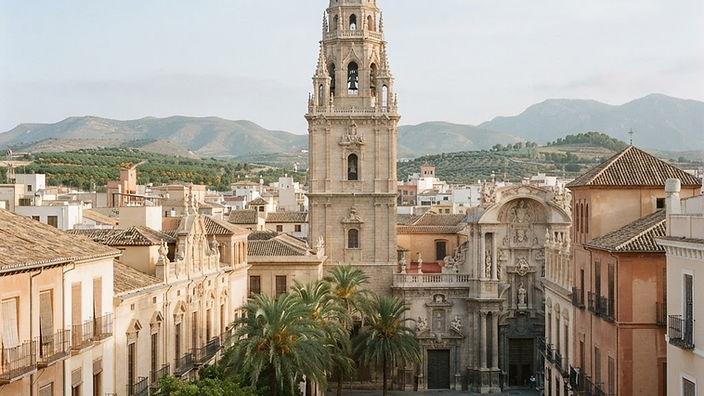
Murcia's cathedral has a facade of carved stone that repays a slow look, and the city is a good place to eat: a dense grid of tapas streets where ordering a drink still brings a small plate with it. The river runs through the middle and gives the city a gentler edge than its size suggests.
The countryside
Take a road inland and the land opens up: almond and citrus groves, irrigation channels that have been maintained since Moorish times, and villages where the pace is slower still. The Sierra de Carrascoy rises behind Murcia and offers walking when the coast is too hot.
A protected coast
Closer to home, Calblanque is the region's reminder of what this coast looked like before development: dunes, wild beaches and paths through the hills, with no buildings in sight. It is a good counterweight to a week of promenades.
Where to stay
Casa Brisa Marina
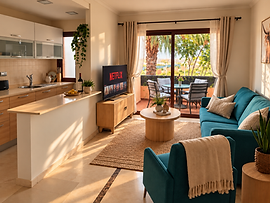
Casa Brisa Marina is an apartment for six in Los Alcázares, with a terrace, a balcony and shared use of the pool.